
EXIME® Temporary
Prostatic Stent
A highly tolerated, short-term silicone stent designed to restore natural urine flow and enable voluntary voiding in adult males experiencing acute or chronic urinary retention.
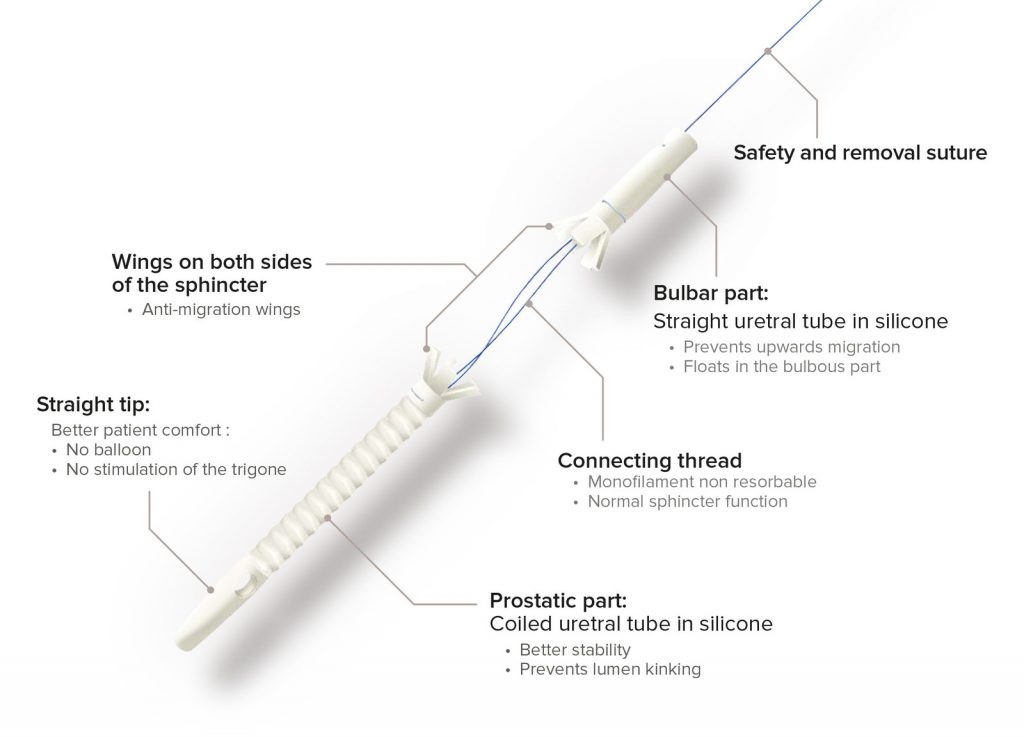
Clinical Benefits & Patient Comfort
Designed to overcome the discomfort, spasm risks, and complications associated with standard indwelling urinary catheters.
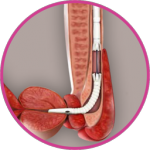
Temporary & Immediate
Restores urine flow immediately and allows voluntary micturition in males with acute or chronic urinary retention, significantly reducing Post-Void Residual (PVR) volume.
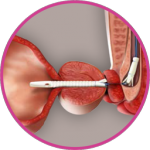
Sphincter Stability
Wings on both sides of the striated external sphincter anchor the stent securely, eliminating the risk of migration. Requires no specific angular orientation during placement.
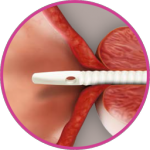
Patient Comfort
A balloon-free straight tip design causes minimal stimulation to the bladder trigone, preventing painful bladder spasms and preserving normal sexual activity.
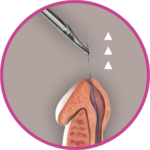
Outpatient Care
Both insertion and removal are quick outpatient procedures requiring no general or spinal anesthesia. Significantly reduces the risk of Catheter-Associated Urinary Tract Infections (CAUTI) and MR bacteria selection.
Anatomical Design Concept
Precision-engineered silicone structure tailored specifically for male urethral anatomy.
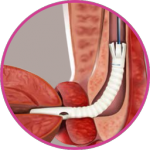
Anti-Migration Wings
Dual stabilization wings positioned on each side of the striated sphincter secure the stent in place, blocking both upward and downward migration.
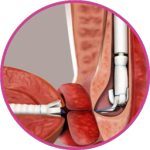
Straight Urethral Tube
Manufactured from high-grade flexible silicone, the bulbar part acts as a straight urethral tube that floats freely and comfortably in the bulbous urethra.
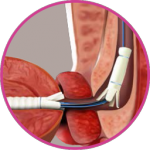
No-Retention Balloon
By eliminating the traditional anchoring balloon, the tip avoids irritating the highly sensitive bladder trigone, allowing for exceptional tolerance.
Step-by-Step Handling Procedures
Guided insertion and removal procedures reserved for specialized urology practitioners.
Calibration & Preparation
Instill the urethra with an anesthetic gel and calibrate the urethral meatus using a 22 or 24 CH Bougie to ensure there is no urethral stenosis.
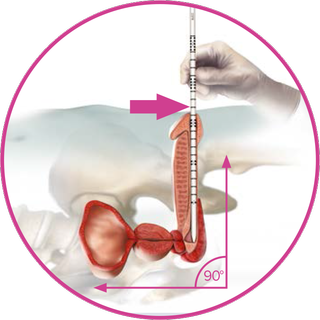
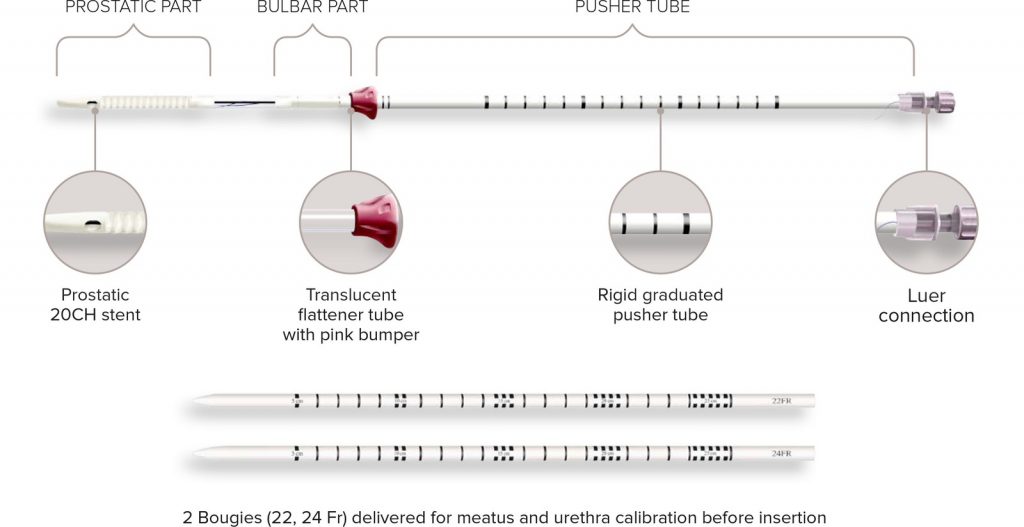
Preserves Sphincter Integrity
Unlike indwelling catheters which traverse and incapacitate the urinary sphincter, the EXIME® stent is anchored directly on both sides of the striated external sphincter.
This intelligent design leaves the sphincter free to contract and relax normally, enabling patients to maintain complete voluntary control over urination, preserving sexual activity, and eliminating uncomfortable bladder spasms.
"Wings deployed above and below the sphincter keep the connecting monofilament thread running directly through the muscle pathway, preserving natural urination mechanisms."
Technical Specifications
Clinical Indications
EXIME® is intended for short-term use (up to 30 days / 1 month maximum) to restore urine flow and enable voluntary micturition in adult males experiencing acute or chronic urinary retention.
Contraindications
- Infection of the genito-urinary system or active urinary tract disease
- Macroscopic haematuria with clots or urinary sphincter insufficiency
- Urethral diseases such as stenosis, false route, or bladder stones
- Recent treatment generating prostatic oedema (e.g., hypo-fractionated radiotherapy, brachytherapy, focused ultrasound, trans-urethral micro-wave heat therapy) within the last 48 hours
- Bladder apex to bladder neck distance greater than 5 cm
- Do not use, when, on the advice of the doctor, such a procedure would be contrary to the greater interest of the patient